Hanoi, the capital of Vietnam, is a captivating destination where ancient traditions and modern life intertwine.
Hanoi, the capital of Vietnam, is a captivating destination where ancient traditions and modern life intertwine. Famous for its rich history, vibrant culture, and delicious cuisine, the city offers countless attractions for all types of travelers. From tranquil lakes and ancient temples to bustling markets and charming streets, Hanoi provides unforgettable experiences at every corner. Visitors can explore famous landmarks, savor authentic local cuisine, and experience the warm hospitality of its people. Whether you're interested in history, culture, or simply discovering new places, Hanoi is a remarkable city, promising memorable adventures and lasting impressions. Let's explore some must-see destinations when visiting Hanoi!
1. Hoan Kiem Lake
Begin your Hanoi adventure at Hoàn Kiếm Lake, the symbolic heart of the city and one of its most beloved landmarks. Surrounded by tree-lined walking paths, the lake offers a peaceful contrast to the busy streets nearby. Early in the morning, locals gather here to practice tai chi, dance, or jog, creating a lively yet relaxing atmosphere. Legend says that Emperor Lê Lợi returned a magical sword to a golden turtle in this lake after defeating foreign invaders, giving the lake its name, "Lake of the Returned Sword." Walk across the iconic red Húc Bridge to visit Ngọc Sơn Temple, located on a small island in the center of the lake. Throughout the day, the scenery changes beautifully, while evenings bring colorful lights and bustling crowds. The area is also surrounded by cafés, restaurants, and street performers, making it an ideal place to begin exploring Hanoi's culture and history.
2. Hanoi Old Quarter
Just north of Hoàn Kiếm Lake lies the Hanoi Old Quarter, a fascinating maze of narrow streets that has served as the city's commercial center for centuries. Traditionally, each street specialized in selling a particular product, and many still reflect those historic trades today. Visitors can spend hours wandering through the vibrant alleys, discovering traditional Vietnamese architecture, boutique shops, hidden temples, and lively markets. Street food is one of the biggest highlights, with vendors serving authentic dishes such as pho, bun cha, banh mi, and fresh spring rolls. Numerous cafés offer Vietnam's famous egg coffee while overlooking the bustling streets below. The Old Quarter also comes alive in the evening, especially on weekends when the night market opens with local handicrafts, live music, and cultural performances. Whether shopping for souvenirs or simply enjoying the energetic atmosphere, this neighborhood provides an unforgettable introduction to Hanoi's unique charm.
3. Temple of Literature
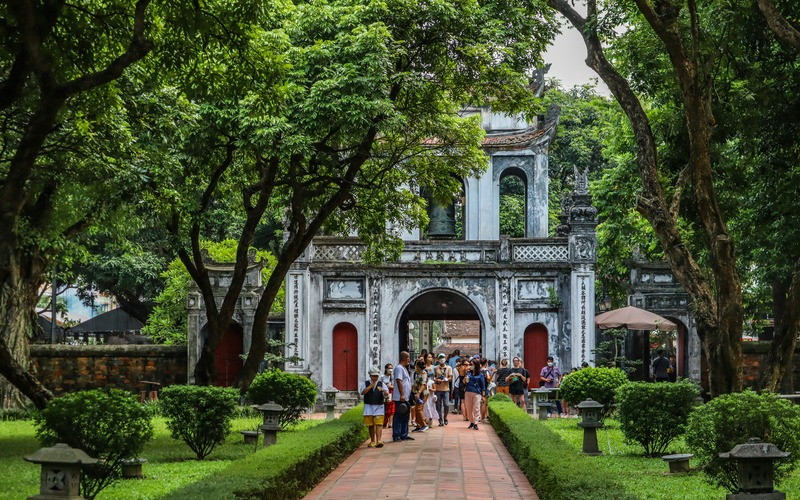
The Temple of Literature is one of Hanoi's most important historical and cultural landmarks. Founded in 1070 during the Lý Dynasty, it was originally dedicated to Confucius before becoming Vietnam's first national university. The beautifully preserved complex consists of elegant courtyards, ancient gates, peaceful gardens, and traditional Vietnamese architecture that has survived for centuries. Stone stelae mounted on turtle statues record the names of successful doctoral graduates, symbolizing academic achievement and wisdom. Today, students often visit the temple before examinations to pray for success. Visitors can stroll through the tranquil grounds while learning about Vietnam's long educational tradition and Confucian values. The peaceful atmosphere offers a welcome escape from Hanoi's busy streets, making it an ideal location for photography and quiet reflection. The Temple of Literature beautifully combines history, architecture, education, and spirituality in one remarkable destination.
4. Thăng Long Water Puppet Theatre
End your first day with a traditional water puppet performance at the Thăng Long Water Puppet Theatre, located near Hoàn Kiếm Lake. Water puppetry originated over a thousand years ago in the flooded rice fields of northern Vietnam, where farmers entertained one another after harvest season. During the performance, skilled puppeteers stand behind a screen while controlling colorful wooden puppets that appear to dance gracefully across the water. Live musicians accompany each show using traditional Vietnamese instruments, while singers narrate stories based on folklore, village life, and historical legends. Even visitors who do not understand Vietnamese can easily follow the performances through expressive movements and music. The theater offers a unique cultural experience that reflects Vietnam's rich artistic heritage. Shows typically last about an hour, making them a perfect evening activity after exploring the Old Quarter. Booking tickets in advance is recommended, particularly during weekends and peak tourist seasons.
5. Ho Chi Minh Mausoleum Complex
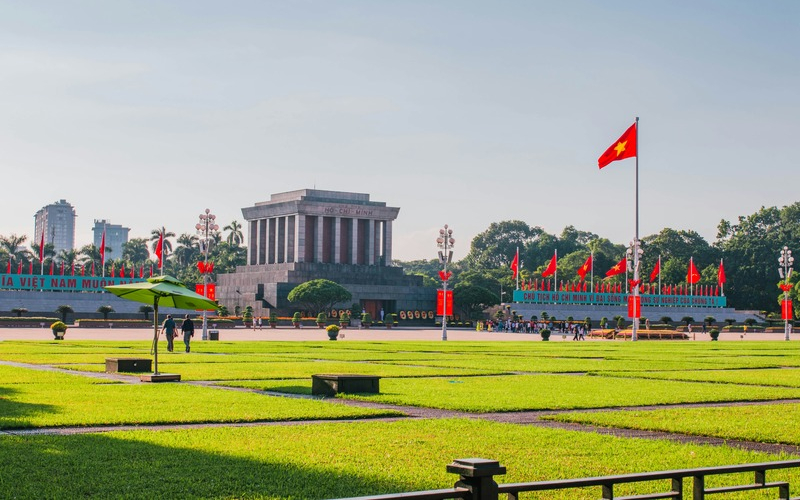
The Ho Chi Minh Mausoleum Complex is one of Vietnam's most significant national sites, honoring President Ho Chi Minh, the country's revolutionary leader. Visitors can pay their respects inside the imposing granite mausoleum, where his preserved body rests in a carefully maintained chamber. Strict dress codes and photography restrictions help maintain the solemn atmosphere. The surrounding complex includes the Presidential Palace, Ho Chi Minh's simple stilt house where he lived and worked, peaceful gardens, fish ponds, and the iconic One Pillar Pagoda, one of Hanoi's oldest religious monuments. Together, these attractions provide insight into Ho Chi Minh's modest lifestyle and Vietnam's modern history. Arriving early in the morning is recommended to avoid long queues and warm temperatures. The changing of the guards ceremony also attracts many visitors and adds to the site's ceremonial atmosphere. This complex offers a meaningful understanding of Vietnam's political and historical development.
6. Hoa Lo Prison Museum
Originally constructed by French colonial authorities in the late nineteenth century, Hoa Lo Prison was built to imprison Vietnamese revolutionaries who opposed colonial rule. During the Vietnam War, it later housed captured American pilots, leading to its nickname, the "Hanoi Hilton." Today, the museum presents exhibits that document both periods of its history through preserved prison cells, historical photographs, personal belongings, and detailed displays. Visitors can learn about the harsh living conditions experienced by political prisoners while gaining a deeper understanding of Vietnam's struggle for independence. The museum encourages thoughtful reflection on conflict, resilience, and human endurance rather than focusing solely on military history. Audio guides and bilingual exhibits make the experience accessible to international visitors. Although emotionally powerful, a visit to Hoa Lo Prison provides valuable historical context and helps explain many events that shaped modern Vietnam.
7. West Lake and Trấn Quốc Pagoda
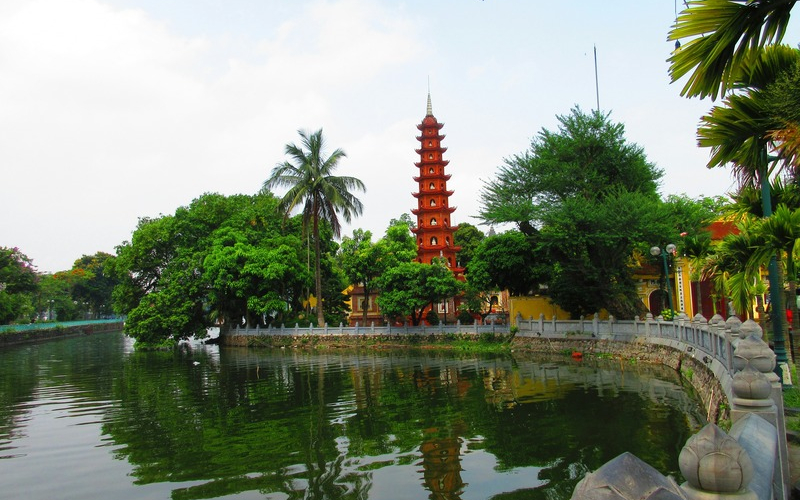
West Lake is Hanoi's largest freshwater lake and one of the city's most scenic destinations. Covering more than 500 hectares, it offers wide-open views, peaceful walking paths, and a refreshing escape from the busy city center. The lake is particularly beautiful during sunrise and sunset, when the water reflects changing colors across the skyline. Located on a small peninsula is Trấn Quốc Pagoda, the oldest Buddhist temple in Hanoi, with a history dating back over fifteen centuries. Its elegant multi-tiered pagoda and peaceful gardens attract both worshippers and tourists throughout the year. The surrounding area features numerous lakeside cafés, seafood restaurants, and cycling routes, making it ideal for a relaxing afternoon. Visitors can enjoy traditional Vietnamese coffee while watching boats glide across the water or simply appreciate the calm atmosphere. West Lake perfectly combines natural beauty, spiritual heritage, and modern leisure in one memorable destination.
8. Vietnam Museum of Ethnology
The Vietnam Museum of Ethnology provides one of the country's most comprehensive introductions to the diverse cultures of Vietnam's 54 officially recognized ethnic groups. Inside the museum, thoughtfully curated exhibitions display traditional clothing, musical instruments, agricultural tools, religious artifacts, and household items that illustrate the daily lives of different communities. Informative descriptions explain cultural traditions, festivals, languages, and customs from across Vietnam's mountainous and lowland regions. Outside, visitors can explore life-sized reconstructions of traditional houses, including stilt homes, communal longhouses, and distinctive architectural styles built by various ethnic groups. Interactive exhibits and educational programs make the museum particularly engaging for families and students. Photography enthusiasts will also appreciate the beautifully maintained outdoor gardens and authentic structures. A visit here offers valuable insight into Vietnam's cultural diversity and helps travelers better understand the traditions that continue to shape the nation's identity today.
9. Thăng Long Imperial Citadel
Recognized as a UNESCO World Heritage Site, the Thăng Long Imperial Citadel served as the political center of Vietnam for more than thirteen centuries. Archaeological excavations have uncovered ancient foundations, ceramics, royal artifacts, and palace remains that reveal the city's long and complex history. Visitors can explore historic gates, military bunkers, ceremonial halls, and underground command centers that span multiple dynasties, from the Lý and Trần periods to the twentieth century. Informational displays explain the significance of each structure and highlight the site's role in Vietnam's political evolution. The expansive grounds provide plenty of space for leisurely walks while appreciating traditional architecture and landscaped gardens. History enthusiasts will especially enjoy learning how successive royal families shaped the development of Hanoi over hundreds of years. The citadel stands as a remarkable symbol of Vietnam's resilience, heritage, and enduring national identity.
10. Train Street
Conclude your Hanoi itinerary with a visit to the famous Train Street, one of the city's most photographed attractions. Here, residential homes and cozy cafés sit only a few feet from an active railway line, creating an unforgettable urban experience. Throughout the day, visitors relax with coffee while waiting for trains that pass through the narrow street at surprisingly close distances. When the train approaches, café owners quickly move tables and chairs aside before normal life resumes moments later. Due to safety concerns, access to certain sections may be restricted, so visitors should only enter authorized areas and always follow instructions from local staff. Beyond the excitement of watching the train pass, Train Street offers excellent opportunities to observe daily life in Hanoi's close-knit neighborhoods. It provides a memorable ending to any trip, combining local culture, photography, and one of the city's most unique experiences.
In short, Hanoi is a fantastic destination, perfectly blending history, culture, and natural beauty. Famous landmarks, bustling streets, and delicious local cuisine create unforgettable experiences for visitors from all over the world. Whether you enjoy exploring historical sites, relaxing by picturesque lakes, or discovering the unique atmosphere of the Old Quarter, Hanoi has something for everyone. Every street corner tells a story and reflects Vietnam's rich heritage. A visit to Hanoi is not only an exciting journey but also an opportunity to create unforgettable memories and gain a deeper understanding of Vietnamese culture. What are you waiting for? Go visit Hanoi now!